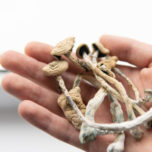



What Is Mimosa Hostilis Root Bark ?
Buy Tepezcohuite In Depoe Bay – This plant has also gained attention for its ethnobotanical and ceremonial applications due to the psychoactive compound dimethyltryptamine (DMT) found in its root bark in addition.

Characteristics Of Mimosa Tenuiflora Root Bark – Botanic Root Bark In Newport.
- Scientific Name: Mimosa tenuiflora (formerly known as Mimosa hostilis)
- Common Names:
- Tepezcohuite (Mexico)
- Jurema Preta (Brazil)
- Black Jurema❤️
- Plant Family: Fabaceae (Legume family)
- Habitat:
- Native to arid and semi-arid regions, thriving in poor, degraded soils.
- Commonly found in tropical and subtropical climates.
Botanical Description Of Mimosa Tenuiflora Root Bark – Spiritual Plant In OR.
- Height: Grows as a shrub or small tree, typically reaching 4 to 8 meters in height.
- Leaves:
- Bipinnate (feather-like), bright green, and sensitive to touch (similar to the “touch-me-not” plant, Mimosa pudica).
- Flowers:
- Small, white, fluffy, and fragrant, forming cylindrical flower clusters.
- Fruit:
- Produces flat, brown seed pods that contain small seeds.
- Bark:
- Dark brown to gray, with a rich inner layer that is reddish-brown.
- The bark contains tannins, flavonoids, and alkaloids, giving it its medicinal and healing properties.
Traditional Uses Of Mimosa Tenuiflora Root Bark – Herbal Extract For Sale In OR.
1. Medicinal Applications:
-
- It has antibacterial, antifungal, and anti-inflammatory properties.
- Skin Care:
- Widely used in creams and ointments for scars, acne, wrinkles, and general skin rejuvenation.✌️
2. Ethnobotanical And Spiritual Uses.
- Psychoactive Ceremonies:
- The root bark contains DMT, a powerful psychoactive compound.
- Dreamwork and Meditation:
- Indigenous groups believe it enhances spiritual visions and connects users with higher realms of consciousness.
3. Agricultural Use Of Mimosa Tenuiflora Root Bark:
- Nitrogen Fixation:
- Mimosa tenuiflora is a nitrogen-fixing plant, enriching the soil and promoting reforestation.
- Erosion Control:
- The plant’s deep roots prevent soil erosion in arid regions. Take any next step.
Active Compounds And Benefits Of Mimosa Tenuiflora. Root Bark.
- Tannins:
- Provide astringent properties, aiding in skin regeneration and wound healing.
- Flavonoids:
- Act as antioxidants, reducing inflammation and protecting cells from damage.
- Alkaloids (including DMT):
- Contribute to psychoactive and medicinal properties.
- Saponins:
- Have antimicrobial and cleansing properties.
Benefits Of Mimosa Tenuiflora Root Bark – Dried Root Bark In Bandon Oregon.
- Accelerates wound healing and reduces scarring.
- Soothes burns, rashes, and irritation.
- Antimicrobial properties help fight infections.
- Anti-inflammatory effects reduce swelling and redness.
- Promotes collagen production for healthier, more elastic skin.
Forms Of Mimosa Tenuiflora Root Bark – Raw Plants Material Online.
- Powdered Bark: For topical applications, skincare formulations, or herbal teas. Buy Tepezcohuite Online.
- Root Bark: Used for ceremonial or psychoactive purposes (subject to legal restrictions).
- Decoctions/Teas: Prepared by boiling the bark in water for medicinal purposes.
Prepared Products Of Mimosa Tenuiflora Root Bark.
- Creams and Ointments: For skin care and wound healing.
- Soaps: Infused with Mimosa tenuiflora for cleansing and antibacterial properties.
- Lotions and Serums: For anti-aging and hydrating benefits.
Effects Of Tepezcohuite Root Bark (Mimosa Tenuiflora).
Possible Skin Impact Description.
Support for skin regenerationused historically to aid in the healing of injured skin and encourage the look of healthy skin.
Natural substances like tannins and other plant molecules have antioxidant qualities that may help shield skin from oxidative damage.
Skin-calming effectfrequently used in powders and lotions to soothe skin that appears inflamed or damaged.
Support for anti-aging skincareused in cosmetics intended to reduce the visibility of age symptoms, uneven textures, and fine wrinkles – Buy Tepezcohuite In Depoe Bay.
Support for the appearance of scars and markingsused historically in skincare regimens to improve the appearance of skin flaws and scars. There is still little evidence.
Appearance Of Mimosa Tenuiflora Root Bark.
It has a woody, fibrous, and dry texture.
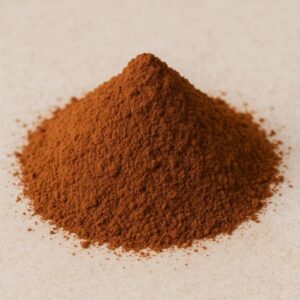
Ground Powder: It has a soft, earthy texture and turns into a fine, reddish-brown to brown powder when finely ground.
Texture: Whole bark pieces have a gritty, organic plant-fiber texture, whereas the powder is usually smooth and light.
Modern Applications Of Mimosa Tenuiflora Root Bark.
Mimosa tenuiflora has gained popularity beyond traditional use, particularly in the fields of skincare, natural medicine, and spiritual exploration.
- Treatment of acne, scars, and burns.
- Anti-inflammatory creams for eczema and psoriasis.
- Ethnobotanical research and psychoactive experiences.
Potency Of Mimosa Tenuiflora Root Bark In Oregon.
The growing circumstances, age, origin, harvesting techniques, and processing quality of Mimosa Tenuiflora Root Bark can all affect its efficacy – Buy Tepezcohuite In Depoe Bay.
Factors That Influence Potency
| Factor | Description |
|---|---|
| Source quality | Root bark from mature Mimosa tenuiflora trees is often considered more concentrated in natural plant compounds. |
| Processing method | Proper drying and grinding methods help preserve the natural characteristics of the bark. |
| Color and texture | Quality root bark powder is typically recognized by its fine texture and natural reddish-brown appearance. |
| Storage conditions | Keeping the product protected from moisture, heat, and light helps maintain freshness and quality. |
Where Does Mimosa Tenuiflora Root Bark Grow ?
The tree species Mimosa Tenuiflora, also called Mimosa hostilis, is indigenous to tropical and subtropical sections of the Americas, including northeastern Brazil, Mexico, and Central America.
Natural Growing Areas:
Mexico: Usually found in semi-arid and dry tropical woods, particularly in southern regions like Oaxaca and Chiapas.
Brazil: Grows naturally in the northeastern region, which includes parts of the Caatinga biome.
Central America is home to nations with warm, tropical temperatures.
Ideal Growing Environments.
Mimosa tenuiflora usually grows well in:
Warm temperatures in tropical and subtropical regions
Scrublands and dry woods
Well-drained or sandy soils
Regions that get seasonal rains
High temperatures and sunny conditions
Overall:
Mimosa tenuiflora is a remarkable plant with diverse applications, from traditional medicine and skincare to spiritual and environmental uses. discover more


Craig Evans –
seamless international exchange.
Daniel Williams –
Quick, discrete, and high quality product.
Russell Burns –
Simple, high-quality.
Scott Plant –
had no problems with their address or payment. The stuff arrived at the scheduled time. The quality of the merchandise is excellent.❤️
John Stevenson –
Every time I placed an order, it exceeded my expectations. Order now without hesitation! Love and peace.
Phil Musgrove –
Excellent.
Lewis Burdyk –
Every interaction has been good!🍄
Tim Kelso –
Fantastic product. The best I’ve ever had fast arrival, lovely packaging, and outstanding quality. A huge thank you 🙏🕉️💜
Bobby Sleet –
An excellent product that was packaged and delivered in a flash. My interactions with this company have always been positive. Additionally, there is excellent communication throughout the purchase.
Jack Macrae –
I’ve only purchased from this firm to dye my handmade clothing, but I can already tell you that it has incredible dyeing capabilities. I will use them again after using them twice.💪
Kyle Fox –
Simple, effective service that provides information and updates at every stage, I would suggest it to anyone.